

Want to cut your electricity costs or bring them down to zero? The first question that probably comes to mind is: "So how much will this system cost me?"
Solar energy is no longer a technology of the future; it is today's reality. But the wide range of prices on the market (from very cheap to suspiciously expensive) confuses buyers. In this article, Helind's specialists explain the real factors that shape solar panel prices in Azerbaijan in 2025 and how to make the right choice for your budget.
💡 Key points for those who don't have time to read the article
- Power and size: the bigger the system, the better the price per watt. In other words, the system becomes cheaper.
- Component quality: not just the panels; the choice of inverter and battery can change the price by 30–40%.
- Warranty: "cheap" systems are short-lived and end up costing twice as much in the long run.
- Installation: professional engineering is the guarantee that the system runs reliably for more than 25 years.
4 key factors that affect the price of a solar panel system
Asking "how much is one panel?" is not enough, because you are not buying just a panel; you are buying a working power station.
1. Panel type and technology
Not all panels are the same. Monocrystalline panels are currently considered the most efficient choice on the market. In 2025, PERC and TopCon panels produce more electricity even in low sunlight, so their prices differ from standard polycrystalline panels. At Helind, we only use Tier-1 brands with a long-term performance warranty (25 years): Longi, Jinko Solar, Aiko and QCells. We choose the most suitable option for each project.
2. System type: on-grid, off-grid or hybrid?
Remember that the battery is the factor that changes the price the most.
- On-grid (grid-connected): the most cost-effective. No battery; it runs in parallel with the national grid.
- Off-grid (independent): more expensive because it needs a battery. Ideal for mountain homes or places without a power line.
- Hybrid: both grid and battery. The most expensive, but the safest and most comfortable option.
3. Engineering and mounting structure
How a panel sits on the roof directly affects its output. Rust-proof aluminium structures, correct tilt angle calculations and cable insulation raise the initial cost but protect you from future repair costs.
Estimated price ranges (sample table)
The table below shows average market prices (note: prices vary by project):
| System power | Home type (approximate) | Estimated annual generation The average price is 1,000 AZN per 1 kW. | Who is it for? |
| 5 kW | Small houses, average apartments | ~6,500 – 7,000 kWh | For standard household appliances |
| 10 kW | Medium-sized villa | ~13,000 – 14,000 kWh | Homes with a pool and heavy air conditioning use |
| 30 kW+ | Facility / factory | Project-specific | Businesses that want to cut costs |
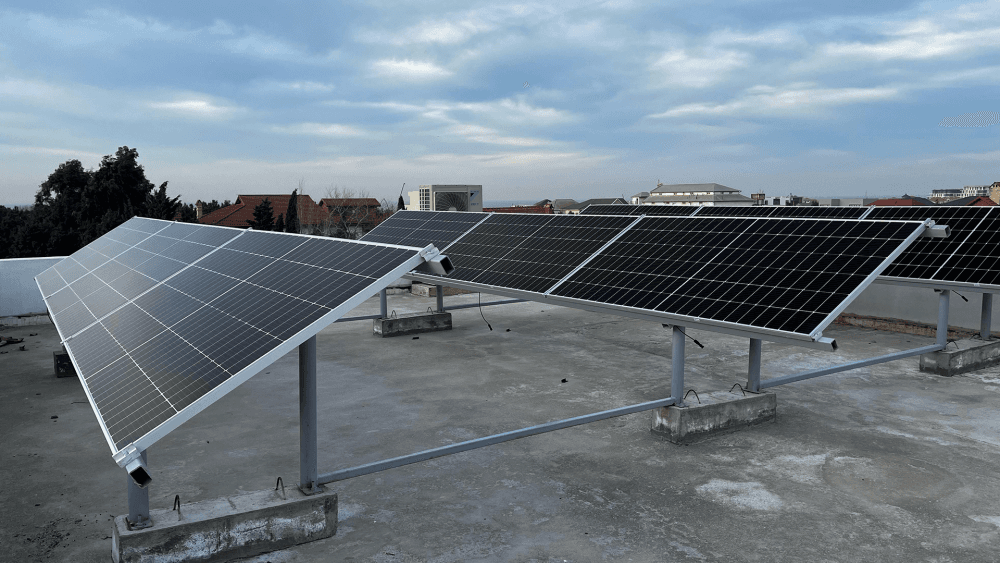
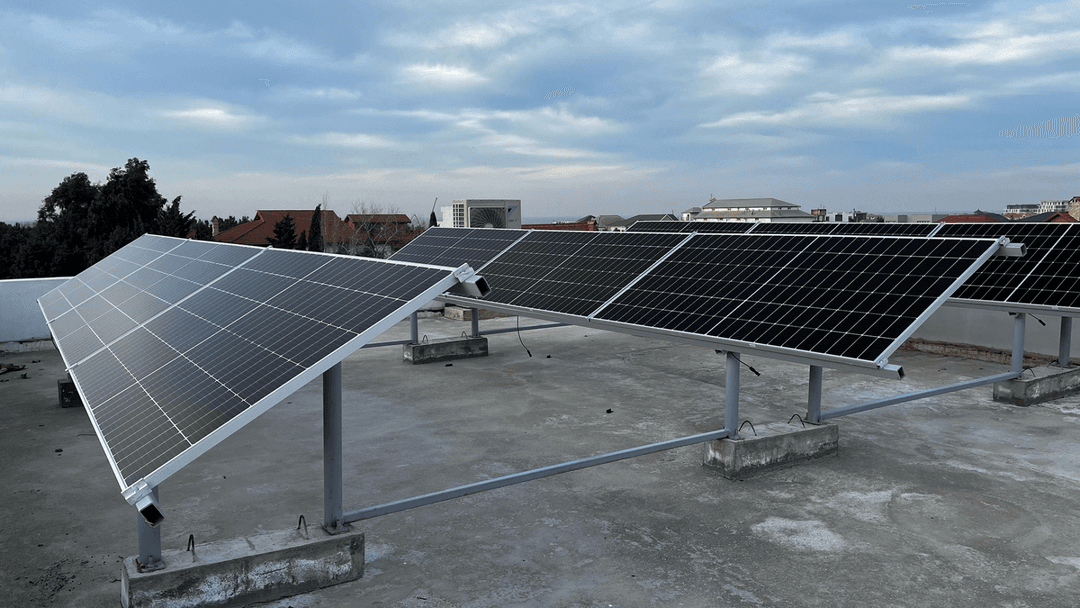
📸 Examples from our real projects
Frequently asked questions (FAQ)
1. How long does a solar panel system take to pay for itself (ROI)?
In Azerbaijan, especially for businesses, it takes 4–5 years on average. For homes, it can take 6–7 years depending on electricity consumption. Since the system lasts 25+ years, the remaining years bring you net income (free energy).
2. Is it a good idea to buy the cheapest panel?
No. Very cheap panels are usually products with micro-cracks or ones that have not passed testing. This causes the system to fail after 2–3 years. At Helind, we put quality before price.
🚀 Find out the exact price for your roof
Every home has a different roof and different energy needs. Don't settle for general figures.
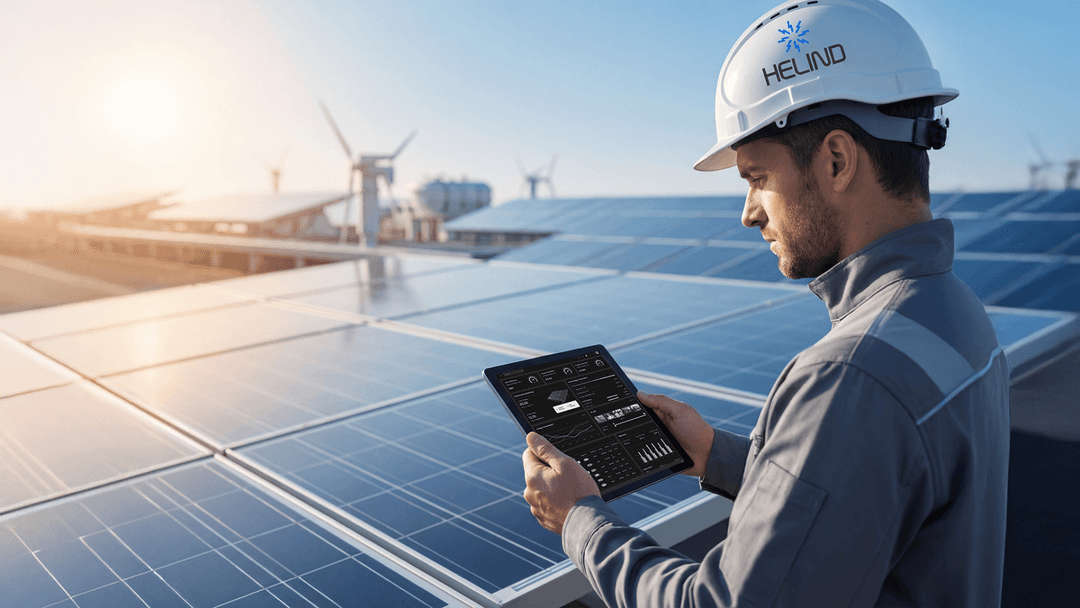
Let Helind's engineers inspect your home or facility and prepare an accurate, tailored estimate for you.