

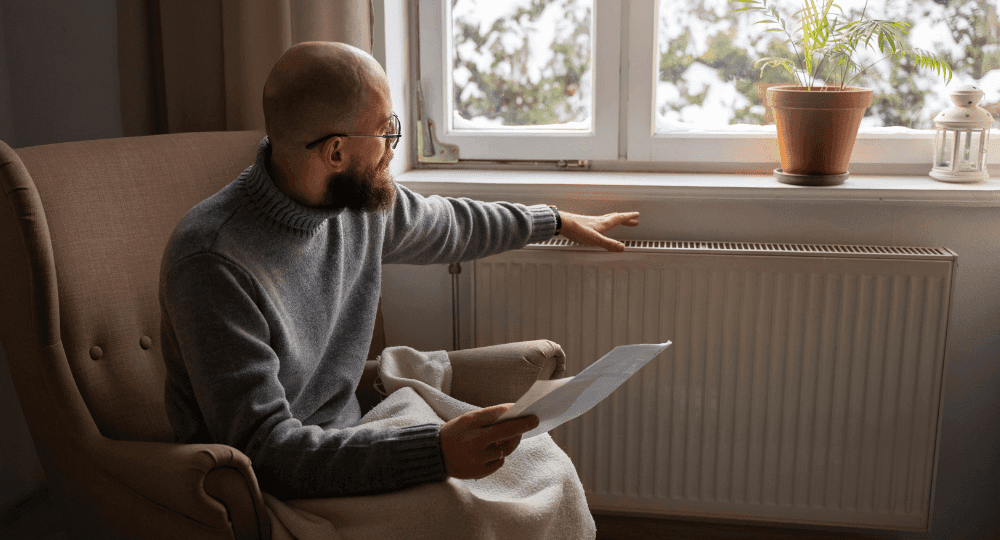
One of the biggest energy consumers in winter is heating.
Boilers, radiators, water heaters and heating circuits in particular push monthly electricity and gas bills up dramatically.
So can solar energy reduce these costs?
The answer: Yes, it can. But only with proper integration.
In this article, we answer everything: how integrating a solar energy system with a boiler and heating works, what technical approach it requires and which misconceptions exist.
1. The basic principle: how does solar energy meet heating demand?
Solar energy meets heating needs in two forms:
a) For electrically driven heating systems
If your boiler or water heater runs on electricity, solar panels can offset that energy directly with electricity.
In this case, an on-grid system is more suitable, because surplus energy goes to the grid and is balanced.
b) Water-based heating systems (thermal systems)
Some solar energy systems are optimized for producing hot water with special devices called solar collectors.
This water can then be fed into the boiler or a tank.
2. Integration scenarios: which approach fits best?
Option 1: Electric boiler + on-grid solar panel system
- The panels produce electricity during the day.
- If household use is low, the surplus goes to the grid.
- In the evening, when heating demand rises, the energy taken from the grid is covered by your balance.
- This is the most practical and convenient integration model.
Option 2: Solar collector + hot water tank + boiler
- Solar energy heats the water during the day.
- In most cases, the boiler heats this water further and circulates it.
- Gas consumption drops significantly.
What doesn't work: an off-grid system + boiler
- It requires batteries (expensive).
- Little energy is produced in winter.
- There may be energy shortages at night.
- This approach only works with technical and economic justification.
3. The question of winter performance
Many people think solar energy doesn't work in winter. In fact:
- panels can work more efficiently in cool weather;
- in Azerbaijan, even 3–4 hours of winter sunshine are enough;
- with proper integration, 30–60% savings on heating costs are realistic.
4. Technical points to consider
- Panel power: energy is needed not only for lighting but also for heating → the system should be sized larger.
- Inverter power: boilers, water tanks and pumps can draw high wattage.
- Monitoring: a monitoring system is needed to keep track of the balance between production and consumption.
- Heat storage tank: essential for keeping water heated during the day warm until night.
Bonus: ground source heat pumps – a new level of energy saving
To heat homes in winter, systems that use the ground's stable heat can be an effective solution alongside solar panels.
What is a ground heat pump?
A ground source heat pump (GSHP) is a high-efficiency system that heats a home by using the stable temperature of the ground at a depth of 1.5–2 metres.
The basic principle:
- Underground, the temperature stays at a steady 10–16°C all year round.
- The heat pump draws this heat and transfers it to radiators or underfloor heating.
- It runs on electricity but uses 4–5 times less energy than ordinary electric heating systems.
What happens when it is combined with solar panels?
This is the strongest scenario:
– the solar panels produce electricity;
– the ground heat pump runs on that electricity;
– the ground's stable heat is transferred into the home;
– gas consumption drops to zero and the electricity is fully covered by solar energy.
This model delivers zero emissions, high savings and long-term sustainability.
Technical and economic advantages
- COP (Coefficient of Performance): 1 kWh of energy delivers 4–5 kWh of heat.
- Ideal for remote areas without a gas line.
- Despite a high upfront cost, it pays for itself fully in 5–7 years.
- 60–80% savings on annual costs.
This system is possible with Helind Enerji
At Helind Enerji, we now offer not only solar panels but also the design and integration of ground source heating systems.
If:
- your home or facility has no gas line,
- or you want energy independence and zero emissions,
→ this technology may be the smartest step for you.
To find out whether this technology suits your property, contact us:
📞 +994 50 678 99 11